
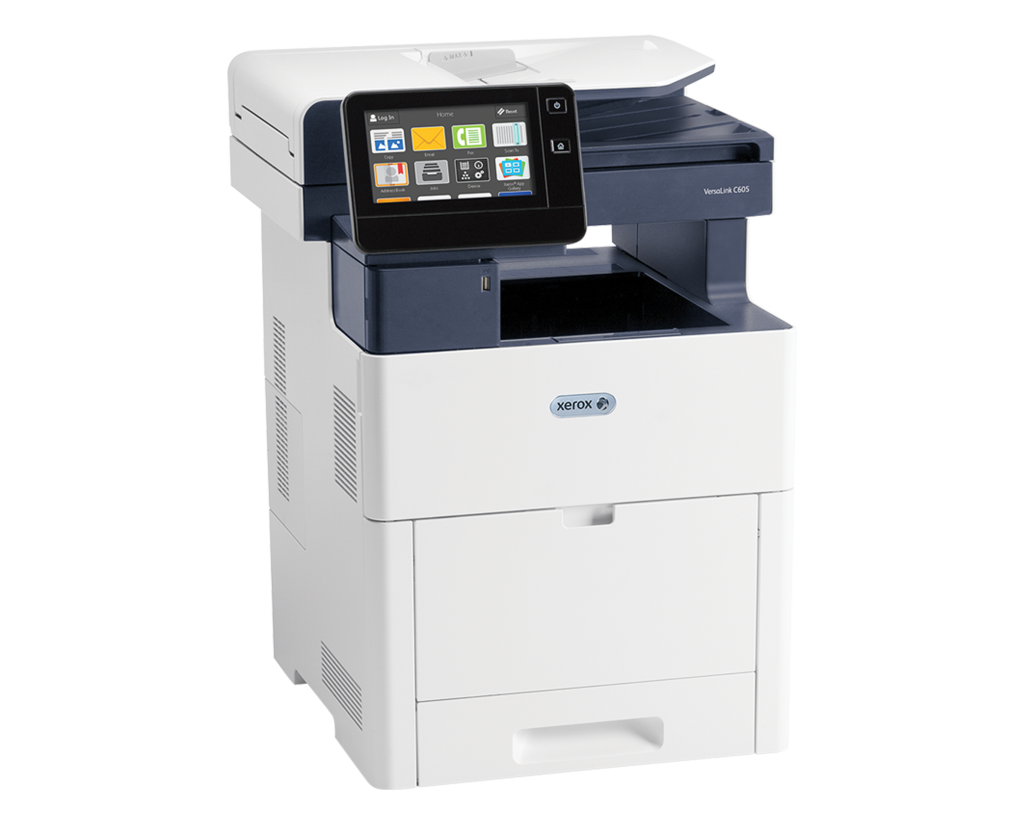
A business can calculate Xerox printer total cost of ownership by adding the acquisition price, lifetime supplies, maintenance, service, energy, and indirect operating costs over a defined period. For businesses nationwide, this approach shows what a printer will actually cost instead of relying on the sticker price alone. Total Cost of Ownership (TCO) gives procurement officers, CFOs, IT managers, and operations leaders a practical way to compare equipment before committing to a purchase or lease.
The Core TCO Formula for a Xerox Office Printer
To calculate Xerox printer total cost of ownership, a business needs a consistent time period and realistic operating assumptions. A useful formula is TCO = Acquisition Cost + Lifetime Maintenance + (Monthly Page Volume × Cost Per Page × Months) + Indirect Costs. This formula brings both Hard Costs and Soft Costs into one calculation.
Acquisition Cost includes the printer, accessories, shipping, installation, and network setup. Lifetime Maintenance includes service agreements, repairs, labor, and replacement parts, while the page-volume calculation captures toner and other usage-based expenses. Indirect Costs can include IT labor, employee downtime, training, software, and workflow interruptions.
For a meaningful comparison, the same assumptions should be applied to every printer being evaluated. A three-year or five-year projection can reveal cost differences that are invisible on invoice day one. Therefore, the goal is not simply to find the lowest purchase price, but to identify the equipment with a manageable long-term cost for the expected workload.
Step-by-Step Breakdown of Xerox Printer TCO
The first step is to calculate the upfront acquisition and setup costs. That includes the purchase price or lease obligation, shipping, installation, accessories, network configuration, and initial training. If two vendor quotes appear similar, these additional charges can explain why their actual first-year costs differ.
Next, businesses should calculate Cost Per Page (CPP) for consumables. For example, if a toner cartridge costs $120 and produces 10,000 pages, its toner cost is $0.012 per page, although actual results can vary with coverage, color usage, and cartridge specifications. Color printing should be calculated separately because a color device can require multiple cartridges and different yields.
Finally, maintenance and service need to be added to the model. A maintenance contract price per impression can be compared with expected service, repair, and supply expenses to determine whether bundled coverage provides predictable costs. The model should also include Page Yield, wear-and-tear components, emergency repairs, energy consumption, internal IT hours, and employee downtime.
Worked Example: Comparing Two Xerox Printer Options
Consider a business evaluating two hypothetical Xerox office printers over three years. Option A costs $1,000 but has an estimated usage cost of $0.025 per page, while Option B costs $1,600 but has an estimated usage cost of $0.012 per page; assume both produce 60,000 pages during the period. The higher initial price of Option B is therefore offset by lower usage costs as printing volume increases.
For Option A, 60,000 pages at $0.025 produces $1,500 in usage costs, creating a simplified three-year cost of $2,500 before additional service and indirect expenses. Option B produces $720 in usage costs, creating a simplified three-year cost of $2,320 before those same additional expenses. This example shows why Cost Per Page, service coverage, and expected print volume should be evaluated alongside the purchase price.
To calculate Xerox printer total cost of ownership accurately, the business would then add installation, maintenance, repairs, paper, energy, IT labor, and downtime to both options. What expenses should be included in a commercial printer TCO model? Every cost that differs between the options should be measured using the same assumptions. The example also shows why a higher-priced printer can have a lower long-term TCO without making the higher-priced model universally cheaper for every business.
Buying vs. Leasing a Xerox Printer
Buying and leasing should be compared using the same ownership horizon, such as three or five years. A purchase calculation can include the acquisition price, maintenance, supplies, repairs, and residual value, while a lease calculation should include monthly payments, service, toner, fees, and end-of-term obligations. The key is to compare the total financial commitment, not simply the monthly payment.
A maintenance agreement can make costs more predictable, but its value depends on the coverage and price. A maintenance contract price per impression can be useful when comparing a bundled service agreement with expected repair and maintenance spending under a purchase arrangement. Businesses should also verify whether toner, parts, labor, preventive maintenance, and emergency service are actually included.
Make the Full Cost Part of the Buying Decision
Businesses that calculate Xerox printer total cost of ownership can make purchasing decisions based on the full financial picture instead of the invoice price alone. What expenses should be included in a commercial printer TCO model? Acquisition, toner, paper, maintenance, repairs, energy, IT, and productivity costs should all be considered over a three-to-five-year planning period.
Effective Copiers for Your Business, Give Clear Choice Technical Services a Call. A properly matched copier or printer can support productivity while helping the business control long-term operating costs. For a free quote, demo, or discussion about copier sales, leasing, rental, repair, and maintenance options, contact Clear Choice Technical Services at (801) 623-6518.